September 21, 2026
Car Jump Start Service Near Me in Phoenix: Fast Solutions for Battery Trouble
By @roadrescueaz77
A dead battery rarely happens at a convenient time. In Phoenix, it often shows up in the least forgiving conditions, outside a grocery store in July, in an office parking garage after sunset, or in a driveway when you are already late. When a car will not start in extreme heat, most drivers do the same thing first: search for a jump start service near me and hope someone can get there fast.
That urgency is justified. Battery trouble in the Valley is common, and the desert climate is a major reason why. Heat is hard on batteries. It speeds up internal chemical breakdown, shortens overall lifespan, and can turn a battery that seemed fine last week into a no-start problem today. Phoenix drivers deal with that reality more often than people in milder climates, which is why reliable roadside assistance Phoenix services matter so much.
A proper jump start is not just about getting the engine running again. It is about figuring out whether the battery is simply drained, whether there is a charging problem, or whether something more serious is going on. That distinction matters, because a quick restart can become a second breakdown a few miles later if the underlying issue is ignored.
Why batteries fail so often in Phoenix
People often assume cold weather is the main enemy of car batteries. Cold definitely affects starting power, but in Phoenix, sustained heat is usually the bigger problem. Under-hood temperatures can become brutal, especially after stop-and-go driving or long periods parked in direct sun. Even when the outside temperature is 105 to 115 degrees, the battery area can get much hotter.
A typical car battery in a moderate climate may last four to five years. In Phoenix, many batteries struggle to make it much past two to three years, depending on driving habits, vehicle type, and exposure. That is not a scare tactic, it is simply what technicians and roadside operators see every summer. Cars that sit for long stretches, especially second vehicles or seasonal vehicles, are at even higher risk. So are vehicles with aftermarket electronics, weak alternators, corroded terminals, or older charging systems.
Sometimes the signs show up early. Slow cranking in the morning, dimmer headlights at idle, power accessories acting inconsistent, or needing a second attempt to start are all warnings. Other times, there is no warning at all. You turn the key or press the start button, and nothing happens beyond a click or a brief dashboard flicker.
That is when mobile roadside assistance becomes more than a convenience. It becomes the fastest way to get moving without gambling on an unsafe DIY fix.
What a professional car jump start service actually does
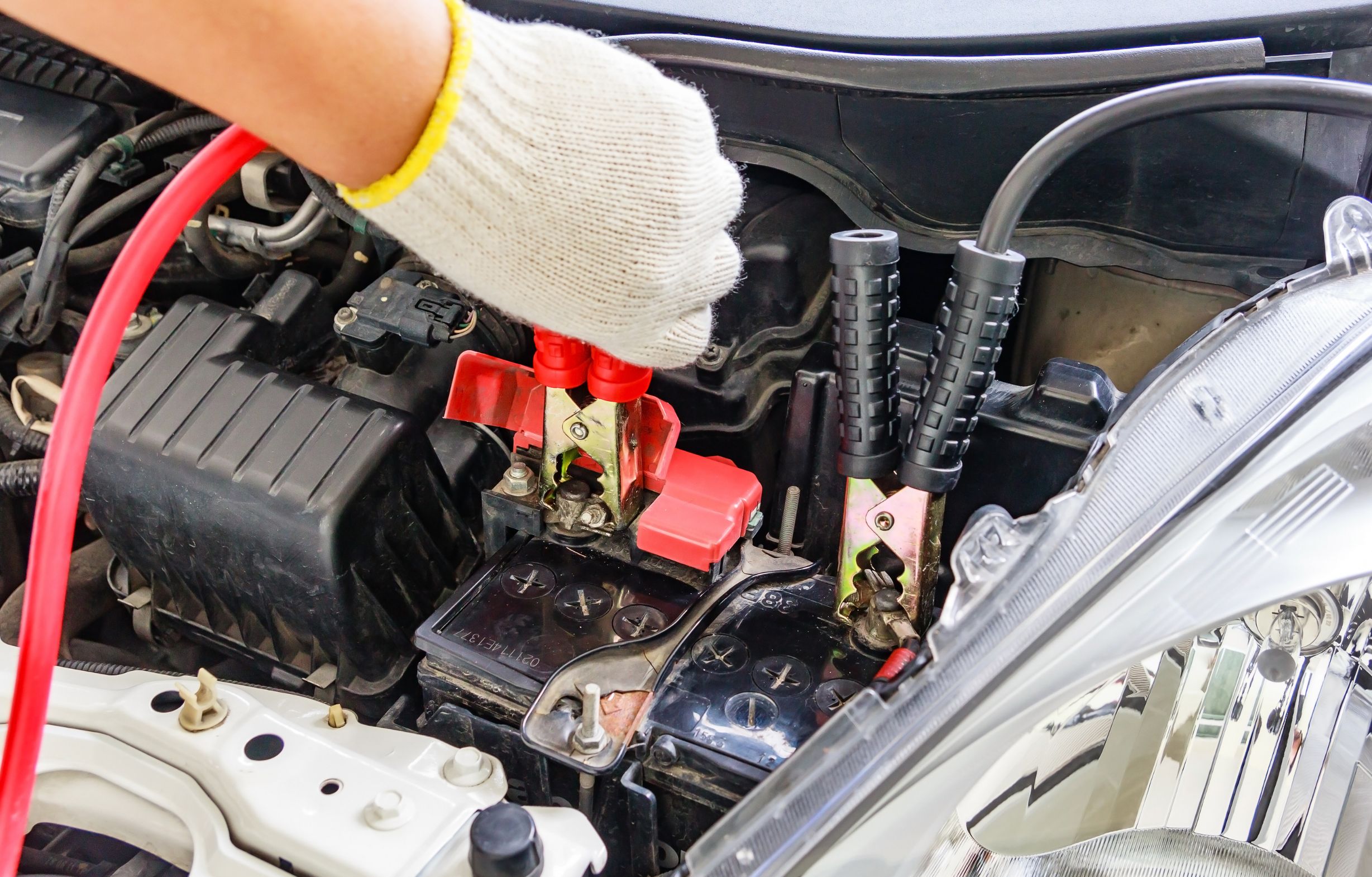
A quality car jump start service should do more than clamp cables on the battery and leave. The best providers approach the call with a quick diagnostic mindset. They check for obvious terminal corrosion, confirm battery connection, and assess whether the no-start condition sounds like a battery problem or something else.
In practical terms, a professional jump start usually includes arriving with a commercial jump pack or service vehicle, connecting equipment in the correct order, starting the disabled vehicle, and checking whether it continues to run normally. If the car starts and stays running, that points toward a discharged or weakened battery. If it immediately stalls, struggles, or shows electrical instability, the issue may involve the alternator, starter, battery cables, or another electrical fault.
That difference is important because many drivers think “dead battery” any time the car will not start. In reality, the starter motor, ignition switch, key fob battery, security system, alternator, or even a loose battery terminal can create similar symptoms. An experienced roadside technician can usually spot the common clues within a few minutes.
This is one reason people often look for roadside assistance near me instead of asking a stranger in the parking lot for jumper cables. Modern vehicles are more sensitive than older ones, and improper jump starting can create avoidable problems. Hook the cables up backward, connect in the wrong order, or jump a battery with severe internal damage, and the repair bill can go from inconvenient to expensive very quickly.
Phoenix timing matters more than most drivers realize
A no-start in a cool climate is frustrating. A no-start in Phoenix can become a health and safety issue. If your battery fails in an open lot in summer, the inside of the vehicle heats up fast. If you are traveling with kids, pets, or an elderly passenger, waiting too long to act is a mistake.
Response times vary by traffic, weather, time of day, and the provider’s coverage area. In central Phoenix, service may arrive relatively quickly during normal conditions. On the edges of the metro area, near industrial zones, or during a monsoon storm, delays can stretch longer. That is why local coverage matters. A company that regularly handles roadside assistance Phoenix calls is often better positioned than a generic dispatch line with thin local presence.
The same goes for neighboring communities. Someone searching roadside assistance Gilbert AZ is not just looking for any operator with a phone number. They are usually looking for a team that knows the area, can navigate gated neighborhoods, apartment complexes, and office parks, and understands how traffic patterns affect arrival windows.
That local familiarity makes a difference in real situations. A technician who knows where loading zones are blocked downtown, how to access garage levels in mixed-use buildings, or which intersections bottleneck during rush hour can save meaningful time.
When a jump start is the right solution, and when it is not
A jump start is the right move when the battery is discharged but otherwise capable of taking enough charge to crank the engine. This often happens after interior lights were left on, the car sat unused too long, or the battery is weakened but not completely failed.
It may not be enough when the battery has an internal short, a bad cell, severe terminal corrosion, or advanced age. It also may not solve anything if the alternator is not charging or if the starter has failed. In those cases, you may get one brief start, or none at all.
From experience, a few scenarios often point beyond a simple battery drain. If the engine cranks very slowly even after a proper jump attempt, if the dashboard goes dark the moment you try to start, or if you hear a single heavy click with no crank, the battery may be too far gone or the starter may be the real culprit. If the car starts with a jump but dies shortly after removing support power, the charging system deserves suspicion.
This is why emergency roadside assistance should involve some judgment, not just speed. Fast arrival is useful, but accurate on-site assessment is what keeps you from getting stranded twice in the same day.
What to do while waiting for help
If you have already called for emergency roadside assistance near me, a few simple steps can make the wait safer and make the jump process smoother.
- Move the vehicle to a safe location if it will still roll and you can do so without risk.
- Turn off headlights, climate control, audio, chargers, and any unnecessary electrical loads.
- Have your exact location ready, including parking level, cross streets, or nearby business names.
- Keep the hood accessible if conditions are safe, especially in crowded lots or after dark.
- Stay hydrated and avoid waiting in direct sun if a nearby indoor space is available.
That short list sounds basic, but it matters. A surprising amount of delay comes from vague location details. “I’m at the mall” is not enough in a large Phoenix shopping center. “North side of the lot near the grocery pickup area, facing Camelback” is much more useful.
The hidden causes behind a drained battery
Many battery failures are not random. Something in the vehicle’s use pattern usually sets the stage. Short trips are one common cause. If you drive five or ten minutes at a time with heavy AC use, charging recovery may be limited, especially in an older battery. Long idle periods are another. A car that sits for a week or two in desert heat can lose enough charge to become unreliable.
Then there are parasitic draws. A glove box light that stays on, an aftermarket dash cam, a failing module, or a charger left connected can slowly drain the battery. The driver often does not notice until the car will not start. In other cases, the battery itself is at the end of its life and simply cannot hold reserve capacity anymore.
This is one area where brief roadside observations can help. If the technician jump-starts the vehicle and you mention that the battery is three years old, the car has been starting slower for a month, and you mainly drive short local routes, that pattern tells a believable story. It suggests replacement may be smarter than pretending the problem is solved.
Why DIY jumper cables are not always the best answer
There is nothing inherently wrong with using jumper cables if you know what you are doing, have the right equipment, and are working in a safe environment. But many Phoenix battery calls happen in conditions that make DIY efforts a bad bet. Narrow parking garages, intense heat, limited shade, traffic exposure, and unfamiliar vehicle battery locations all complicate the job.
Newer vehicles also bring more complexity. Some have remote battery terminals, tightly packed engine compartments, or sensitive electronics that do not tolerate mistakes well. Hybrid and electric vehicles add another layer of caution, and not every driver can tell where standard jump procedures end and special procedures begin.
A professional car jump start service reduces those risks. It also spares you the common scenario where a helpful bystander shows up with light-duty cables that are too thin to do much in the first place. Anyone who has watched a weak set of discount cables fail to move enough current on a hot afternoon knows the frustration.
Roadside calls rarely stop at the battery
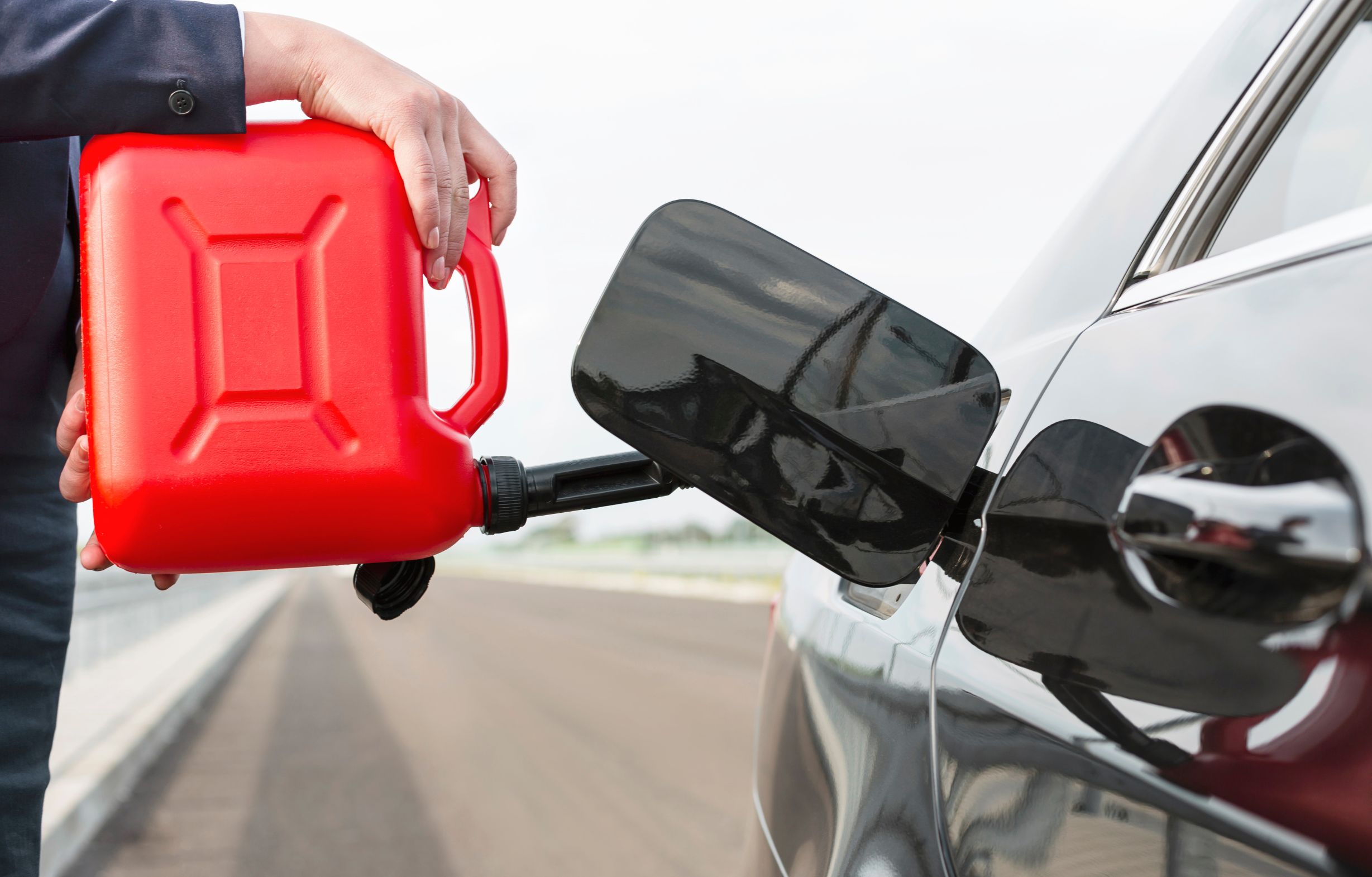
Most companies that provide jump starts also handle the other problems that travel with daily driving. That matters because breakdowns have a way of overlapping. A weak battery might leave you stranded at a gas station where you also realize you are out of fuel. A lockout might happen while you are checking a tire. A flat may expose a battery issue because the car has been sitting for months.
That is why full-service mobile roadside assistance has practical value. It gives drivers a single number to call for common roadside problems, including flat tire assistance, emergency fuel delivery, and vehicle lockout service. In the real world, that convenience matters more than it sounds on paper.
A driver searching flat tire repair near me or flat tire assistance is often in the same mindset as someone searching jump start service near me. They are not comparison shopping for the perfect theoretical service. They need competent help without delay. The same goes for fuel delivery near me when the gauge was misjudged, or car lockout service near me when keys are visible on the front seat and the doors are already locked.
Emergency breakdown service is really about continuity. One provider who can handle the most common failures saves time, reduces stress, and avoids the confusion of making separate calls while stranded.
The value of local roadside coverage in Phoenix and Gilbert
Metro Phoenix is broad. Traffic patterns shift hard by hour and by neighborhood. An operator covering central Phoenix, Tempe, Mesa, Chandler, and Gilbert needs more than a phone line. They need dispatch discipline and realistic routing. That is particularly true in summer weekends, holiday traffic, and monsoon season, when call volume can jump.
Gilbert drivers often face a slightly different mix of problems than downtown Phoenix drivers. More residential calls, more shopping center lots, more community access gates, and more family vehicles sitting during school breaks all influence the kinds of battery-related breakdowns that come in. That is one reason roadside assistance Gilbert AZ services benefit from local familiarity rather than broad, vague service promises.
In Phoenix proper, garage clearances, one-way access roads, event traffic, airport-adjacent congestion, and dense commercial lots create their own dispatch challenges. A provider used to roadside assistance Phoenix calls generally knows to ask the right questions upfront: Is the vehicle in a garage? Is the hood accessible? Is there security gate access? Is the car in a tow-away lane? Those details shave time off the response.
A few signs your battery deserves replacement soon
You do not need a total failure to justify changing a battery in Phoenix. In some cases, replacing it proactively is cheaper than losing half a workday waiting in a hot parking lot.
- The battery is around two to three years old and the car lives outside year-round.
- Starting has become slower, especially after the vehicle sits overnight.
- You have needed more than one jump in the past few weeks.
- Corrosion keeps returning around the terminals.
- Electrical behavior feels inconsistent, such as dim lights or resets in infotainment settings.
None of those signs guarantee immediate failure, but together they build a strong case. The desert does not reward optimistic delay where batteries are concerned.
What drivers should expect from a good roadside experience
A strong roadside response is not glamorous. It is competent. The dispatch process should be clear, the ETA should sound realistic rather than overly optimistic, and the technician should confirm what happened after roadside assistance near me ez3roadsidephoenix.com the jump, not just take off the moment the engine turns over.
Drivers should expect straightforward communication. If the battery seems weak but functional, say so. If the technician suspects the alternator, say that too. If the vehicle may not restart after being shut off, the customer should know before they drive into another parking lot and repeat the whole episode.
Good service also respects the setting. A parent with children in the car, a night-shift worker in a dim garage, or an older driver alone in high heat is not just another ticket. In practice, the best emergency roadside assistance providers understand that half the job is reducing stress. Calm communication, accurate instructions, and efficient work matter just as much as the jump itself.
After the car starts, the next fifteen minutes matter
Once your vehicle starts, the temptation is to treat the crisis as over. Sometimes that is reasonable. Often it is not. The next step depends on why the battery died.
If the issue was accidental, such as a light left on, a sustained drive may restore enough charge for normal use. If the battery is old or weak, driving around may only postpone the next failure. If the alternator is questionable, shutting the vehicle off again before testing or inspection can leave you stranded immediately.
A practical rule is to avoid making extra stops until you understand the cause. If you were headed to work but the car needed a jump, think carefully before turning it off in a parking garage and hoping it restarts later. Sometimes the smarter move is driving straight to a battery retailer or trusted repair shop while the engine is running.
That kind of judgment is where roadside service and good vehicle ownership meet. The jump gets you moving. The decision after that determines whether the day improves or gets worse.
Battery trouble is rarely just an inconvenience in the desert
Phoenix driving conditions expose weak batteries faster than many people expect. Add heat, traffic, distance between destinations, and packed schedules, and a simple no-start becomes a serious interruption in a hurry. Searching for roadside assistance near me is often the right first move, but what matters next is finding a provider who understands local conditions and can do more than the bare minimum.
Whether you need a car jump start service in central Phoenix, roadside assistance Gilbert AZ support in the East Valley, or broader mobile roadside assistance for recurring vehicle issues, the best help combines speed with judgment. A reliable operator can jump the battery safely, spot warning signs of a deeper problem, and help you decide whether you can keep driving or need further service.
And if the problem turns out not to be the battery after all, the same roadside network may still be what gets you home, whether that means flat tire assistance, emergency fuel delivery, or car lockout service near me. On the side of the road, versatility counts.
For Phoenix drivers, that is the real value of emergency breakdown service. Not just a fast restart, but a fast, informed response when the day suddenly stops.
Our Sponsor
EZ3 Roadside Rescue Services
EZ3 Roadside Rescue Services is a Gilbert-based roadside assistance provider serving drivers throughout Gilbert and the greater Phoenix, Arizona area. The company provides fast, professional roadside assistance for common vehicle emergencies, including flat tire repair and tire changes, battery jump starts, emergency fuel delivery, vehicle lockout assistance, lug nut removal, battery replacement, and emergency breakdown assistance. EZ3 Roadside Rescue Services is available 24/7 to help stranded motorists get safely back on the road.
Address:
922 N Colorado St,
Gilbert,
AZ
85233,
United States
Phone: (480) 710-5902
Business Hours:
- Open 24/7 — Emergency Roadside Assistance Available
Follow Us:
❧